
Aquant + SightCall
Where does your AI get tomorrow's knowledge?
SightCall and Aquant solve different parts of the field service AI problem. Aquant is strongest at agentic service reasoning and workflow automation.
SightCall is strongest at turning multimodal field-service evidence into trusted visual knowledge that can be reused and continuously improved.
Aquant helps answer today's questions.
SightCall helps ensure tomorrow's answers exist.
Aquant vs SightCall overview
In practical terms, Aquant is strongest when the question is "What should the service operation do next?"
SightCall is strongest when the question is "How do we capture what our experts just learned, turn it into trusted knowledge, and make it available everywhere the organization needs it?"
| Aquant | SightCall | |
| Primary strength | Agentic service reasoning and workflow automation | Visual knowledge capture and creation |
| Excels at | Reasoning across enterprise service data | Capturing expertise created during real service work |
| Knowledge | Uses broad service context to improve recommendations and actions | Creates reusable multimedia knowledge from visual evidence |
| Human expertise | AI-led service assistance with human escalation | Native expert visual support and expertise capture |
| Best question | "What should we do next?" | "How do we preserve what we just learned?" |
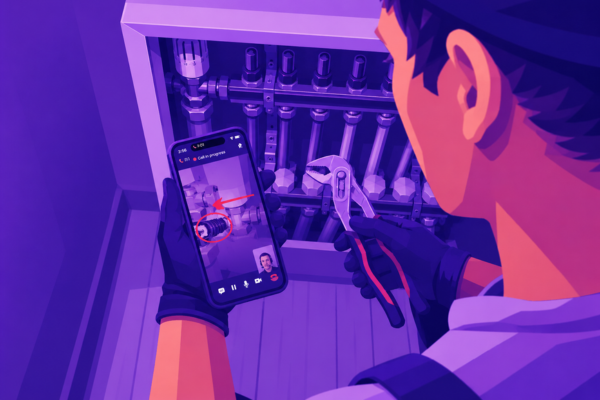
The visual gap SightCall fills
If Aquant already uses AI and enterprise service knowledge, why would I need SightCall?
The most valuable field expertise is never fully expressed in transcripts, case notes, or work orders. It lives in what the experts see, demonstrate, inspect, adjust, and verify while solving the problem.
But AI still needs a way to preserve the visual and procedural expertise that experts demonstrate in the field
There is a knowledge problem AI alone doesn’t solve.
Enterprise AI has service history, manuals, work orders, case notes, transcripts, etc. But some expertise is generated during the act of solving the problem.
That's the missing layer.
If you already have Aquant, ask these questions:
-
Are valuable troubleshooting sessions disappearing after the call ends?
- When your AI can't answer a new problem, how does that solution become part of your organization's knowledge?
-
When an FSE discovers a better solution, can you compare that evidence with existing knowledge and decide what should change?
If these questions sound familiar, you don't have an AI problem. You have a knowledge creation problem.
Building smarter service
Why growth-focused organizations use both.
Aquant and SightCall both solve parts of the service intelligence problem.
Aquant is strong at operational reasoning and action. Its specialized agents can troubleshoot issues, interpret service history, work with parts and schematics, support voice interactions, analyze service performance, and interact with enterprise systems.
SightCall is strong at visual resolution, visual knowledge creation, and visual service context. It captures what happens during real service work, turns that expertise into structured multimedia knowledge, recombines new evidence with what the organization already knows, and keeps experts involved in validating improvements.
Together the architecture can create a stronger service intelligence ecosystem.
One helps answer today's questions.
The other ensures tomorrow's answers exist.
How Aquant + SightCall work together
How Aquant + SightCall work together
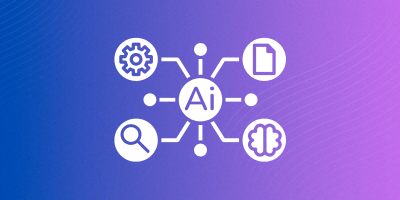
1. Aquant reasons
An Aquant agent reasons across service history, manuals, parts, schematics and enterprise data.
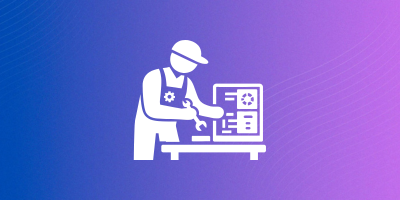
2. A new problem requires expertise
The available knowledge isn't enough, and an expert needs to see the equipment.
3. SightCall captures the visual resolution
The expert and technician solve the issue through visual support.

4. SightCall structures expertise
Conversation, actions, visual evidence and procedural context become reusable knowledge.

5. Experts validate
SMEs review, edit and approve the resulting knowledge.
6. The entire organization learns
Trusted knowledge becomes available to technicians, knowledge systems and AI agents.
What SightCall adds
SightCall doesn't replace Aquant.
It strengthens it.
While Aquant AI agents reason across existing service data to help technicians find the best answers, SightCall adds the missing, essential capability of continuously creating new knowledge from real visual service work into trusted knowledge.
By analyzing both the expert's conversation and what happens through live and recorded videos, SightCall captures more context, actions, visual cues and procedural detail that transcripts alone cannot.
Every remote support session becomes an opportunity to capture expertise before it's lost.
SightCall starts with a live service interaction, but doesn't stop there. It helps you:
Capture
Capture voice, video, images, transcripts, annotations and service-session context.
Understand
Analyze what experts do, not only what they say. Extract issues, procedures, steps, tools, parts and visual evidence.
Create and improve
Turn real service work into reusable multimedia knowledge and connect new evidence with existing expertise.
Validate and distribute
Route proposed knowledge through expert review, then make trusted knowledge available to technicians, support teams, knowledge systems and AI agents.
Capability comparison
Let’s look at core differences in architecture.
Both platforms are multimodal, but they solve different parts of the service intelligence problem.
Aquant specializes in agents that reason and act across enterprise service data. SightCall specializes in turning visual field expertise into trusted knowledge, then distributing that knowledge back into technicians' workflows and the wider service ecosystem.
| SightCall Video Intelligence | Aquant | Where the difference matters | |
|---|---|---|---|
| Multimodal knowledge inputs | Built around real service evidence: live visual-support sessions, uploaded video, mobile video, images, audio, transcripts, AR annotations, and technical content | Broad multimodal inputs across service history, work orders, manuals, schematics, logs, voice, images, video, and connected enterprise data | SightCall: strongest when important knowledge is created visually during the work. Aquant: strongest when useful context already exists across service systems. |
| Tacit / tribal knowledge capture | Captures what experts see and physically do, including procedural details they may never verbalize | Captures spoken expertise and patterns from calls, cases, historical data, and technician input | SightCall advantage for embodied expertise. Aquant has a strong conversational and data-driven capture model. |
| Knowledge creation | Turns service evidence into structured multimedia tutorials, visual procedures, annotations, and instructional imagery | Generates knowledge articles, summaries, checklists, recommendations, and other agent outputs | SightCall: durable visual knowledge assets. Aquant: dynamic operational content and agent outputs. |
| Knowledge recombination | Related videos and expertise can be organized around the same topic and used to enrich the existing knowledge | Learns across cases, interactions, and service data to improve future responses | SightCall: visible knowledge evolves as a reusable organizational asset. Aquant: agent intelligence improves across service activity. |
| Continuous improvement | New visual expertise can trigger suggested improvements to existing knowledge for review | New calls, cases, feedback, and outcomes improve future agent recommendations | Both improve over time, but XK makes the improvement visible as governed knowledge, while Aquant emphasizes improved agent reasoning. |
| Human validation | Generated knowledge moves through creator/manager review, editing, approval, publication, and can be returned to draft | Generated knowledge can also be reviewed before publication | Broad parity. SightCall's distinction is the ability to review knowledge alongside the visual evidence from the work itself. |
| Live expert visual support | Native SightCall strength: technician/customer-to-expert video, visual collaboration, annotations, and capture of the resolution | Human escalation is supported, while Aquant's core is AI-led service assistance | SightCall advantage when a difficult issue still requires a human expert to see the equipment and guide the resolution. |
| Technician mobile experience | SightCall Expert App provides mobile access to field knowledge and allows technicians to contribute new video expertise back into XK | Aquant supports mobile, voice, web, offline, SMS, API, and embedded access to its agents | SightCall: technician becomes both a knowledge consumer and contributor. Aquant: broader omnichannel access to service agents. |
| Voice AI | Voice/audio contributes to multimodal service knowledge, but phone-first AI is not the core XK proposition | Roger provides voice-first, hands-free service assistance and knowledge capture | Aquant advantage for phone-based and conversational service AI. |
| Contextual troubleshooting | XK makes trusted visual procedures and service knowledge available where technicians need it | Dedicated agents reason over asset history, previous cases, manuals, schematics, parts, and other context | Aquant advantage for autonomous diagnostic reasoning. |
| Specialized operational agents | XK specializes in the knowledge lifecycle rather than providing a large catalog of operational agents | Broad agent library covering troubleshooting, parts, schematics, logs, checklists, summaries, analytics, and more | Aquant advantage for breadth of specialized agents. |
| Knowledge distribution into the service ecosystem | APIs and MCP interfaces are designed to make XK knowledge available to CRM, FSM, KMS, LMS, mobile experiences, portals, and external AI agents | APIs, integrations, Agent Studio, MCP tools, and connectivity enable agents to interact with enterprise systems | SightCall: distributes trusted visual expertise. Aquant: orchestrates agents and operational workflows. |
| Backend workflow automation | Integration layer can push and expose knowledge into service workflows | Agents can read from and write to connected systems and trigger workflows | Aquant advantage for transactional service automation. |
| Service intelligence / analytics | Insights focuses on visual-support activity, captured expertise, and service intelligence | Broad technician, asset, cost, parts, performance, and benchmarking analytics | Aquant advantage in broad operational analytics; SightCall is more specialized around visual service intelligence. |
Multimodal knowledge inputs
SightCall Video Intelligence
Built around real service evidence: live visual-support sessions, uploaded video, mobile video, images, audio, transcripts, AR annotations, and technical content
Aquant
Broad multimodal inputs across service history, work orders, manuals, schematics, logs, voice, images, video, and connected enterprise data
Where the difference matters
SightCall: strongest when important knowledge is created visually during the work. Aquant: strongest when useful context already exists across service systems.
Tacit / tribal knowledge capture
SightCall Video Intelligence
Captures what experts see and physically do, including procedural details they may never verbalize
Aquant
Captures spoken expertise and patterns from calls, cases, historical data, and technician input
Where the difference matters
SightCall advantage for embodied expertise. Aquant has a strong conversational and data-driven capture model.
Knowledge creation
SightCall Video Intelligence
Turns service evidence into structured multimedia tutorials, visual procedures, annotations, and instructional imagery
Aquant
Generates knowledge articles, summaries, checklists, recommendations, and other agent outputs
Where the difference matters
SightCall: durable visual knowledge assets. Aquant: dynamic operational content and agent outputs.
Knowledge recombination
SightCall Video Intelligence
Related videos and expertise can be organized around the same topic and used to enrich the existing knowledge
Aquant
Learns across cases, interactions, and service data to improve future responses
Where the difference matters
SightCall: visible knowledge evolves as a reusable organizational asset. Aquant: agent intelligence improves across service activity.
Continuous improvement
SightCall Video Intelligence
New visual expertise can trigger suggested improvements to existing knowledge for review
Aquant
New calls, cases, feedback, and outcomes improve future agent recommendations
Where the difference matters
Both improve over time, but XK makes the improvement visible as governed knowledge, while Aquant emphasizes improved agent reasoning.
Human validation
SightCall Video Intelligence
Generated knowledge moves through creator/manager review, editing, approval, publication, and can be returned to draft
Aquant
Generated knowledge can also be reviewed before publication
Where the difference matters
Broad parity. SightCall's distinction is the ability to review knowledge alongside the visual evidence from the work itself.
Live expert visual support
SightCall Video Intelligence
Native SightCall strength: technician/customer-to-expert video, visual collaboration, annotations, and capture of the resolution
Aquant
Human escalation is supported, while Aquant's core is AI-led service assistance
Where the difference matters
SightCall advantage when a difficult issue still requires a human expert to see the equipment and guide the resolution.
Technician mobile experience
SightCall Video Intelligence
SightCall Expert App provides mobile access to field knowledge and allows technicians to contribute new video expertise back into XK
Aquant
Aquant supports mobile, voice, web, offline, SMS, API, and embedded access to its agents
Where the difference matters
SightCall: technician becomes both a knowledge consumer and contributor. Aquant: broader omnichannel access to service agents.
Voice AI
SightCall Video Intelligence
Voice/audio contributes to multimodal service knowledge, but phone-first AI is not the core XK proposition
Aquant
Roger provides voice-first, hands-free service assistance and knowledge capture
Where the difference matters
Aquant advantage for phone-based and conversational service AI.
Contextual troubleshooting
SightCall Video Intelligence
XK makes trusted visual procedures and service knowledge available where technicians need it
Aquant
Dedicated agents reason over asset history, previous cases, manuals, schematics, parts, and other context
Where the difference matters
Aquant advantage for autonomous diagnostic reasoning.
Specialized operational agents
SightCall Video Intelligence
XK specializes in the knowledge lifecycle rather than providing a large catalog of operational agents
Aquant
Broad agent library covering troubleshooting, parts, schematics, logs, checklists, summaries, analytics, and more
Where the difference matters
Aquant advantage for breadth of specialized agents.
Knowledge distribution into the service ecosystem
SightCall Video Intelligence
APIs and MCP interfaces are designed to make XK knowledge available to CRM, FSM, KMS, LMS, mobile experiences, portals, and external AI agents
Aquant
APIs, integrations, Agent Studio, MCP tools, and connectivity enable agents to interact with enterprise systems
Where the difference matters
SightCall: distributes trusted visual expertise. Aquant: orchestrates agents and operational workflows.
Backend workflow automation
SightCall Video Intelligence
Integration layer can push and expose knowledge into service workflows
Aquant
Agents can read from and write to connected systems and trigger workflows
Where the difference matters
Aquant advantage for transactional service automation.
Service intelligence / analytics
SightCall Video Intelligence
Insights focuses on visual-support activity, captured expertise, and service intelligence
Aquant
Broad technician, asset, cost, parts, performance, and benchmarking analytics
Where the difference matters
Aquant advantage in broad operational analytics; SightCall is more specialized around visual service intelligence.
Why visual knowledge matters
Service expertise is more than text.
The most valuable troubleshooting insight isn't just what was said.
It's what the expert inspected. It's the component they removed. The seal they replaced. The connector they checked. The sequence they followed. The visual indicator that confirmed a successful repair.
It's the visual context and hands-on expertise that explain not only what to do, but how and why it worked.
SightCall preserves that visual and procedural context through and transforms it into searchable multimedia knowledge with visual annotations and instructional media that FSEs can understand and reuse.
Your experts solve.
AI structures.
Experts validate.
Service organizations are already investing in AI to retrieve knowledge.
At the same time, nearly half are using AI for visual diagnosis.
The opportunity is to connect those two worlds so that what technicians see and learn during service becomes knowledge AI can reuse.
Frequently asked questions
What is the difference between Aquant and SightCall?
Aquant and SightCall solve different parts of the field service AI problem.
Aquant specializes in AI-driven service reasoning and operational workflows. Its agents reason across service history, asset data, manuals, schematics, parts, cases, and other enterprise information to help service teams diagnose issues and determine what to do next.
SightCall specializes in capturing the visual and procedural expertise created during real service work. It analyzes what experts say, see, and do, then transforms that evidence into structured, reusable multimedia knowledge that can be reviewed and validated by subject matter experts.
In practical terms, Aquant helps service teams reason across what the organization already knows. SightCall helps capture what experts are learning now so technicians and AI can use it in the future.
Does SightCall replace Aquant?
No. SightCall is designed to complement Aquant and other existing AI investments, not replace them.
Aquant helps technicians and AI reason across service data and operational context. SightCall adds another layer by capturing visual and procedural expertise from real service work and turning it into trusted, reusable knowledge.
For organizations already using Aquant, SightCall can help expand the knowledge available to technicians, knowledge systems, and AI agents as new issues are solved in the field.
Can Aquant and SightCall work together?
Yes. Aquant and SightCall can complement each other within a field service AI architecture.
Aquant's specialized agents can reason across service data and operational context to help diagnose an issue. When additional human expertise or visual context is required, SightCall can support the expert resolution, capture what happens during the interaction, and turn that expertise into reusable knowledge.
Once that knowledge has been reviewed and validated, it can become available to technicians and AI agents. The next time a similar issue occurs, Aquant could use that newly available knowledge as part of the information it reasons across.
Aquant reasons. SightCall captures visual resolutions and structures expertise. Experts validate. The resulting knowledge becomes available for the next service interaction.
We already have a knowledge base. Why do we need SightCall?
Traditional knowledge bases depend on people documenting what they know, often after the service work is complete. That means valuable details can be lost, particularly the visual and procedural expertise technicians demonstrate naturally while solving a problem.
SightCall captures expertise as the work happens. It can analyze the conversation, visual evidence, actions, annotations, and service-session context, then use that evidence to create structured multimedia knowledge for review.
This helps organizations preserve expertise that might otherwise remain with an individual technician or disappear when the service interaction ends.
Why does video matter for field service knowledge?
Many service problems are inherently visual. Knowing what an expert did can be just as important as knowing what they said.
The component they inspected. The seal they replaced. The connector they checked. The angle they used. The sequence they followed. The visual indicator that confirmed the repair was successful. These details can be difficult to capture accurately in a case note, transcript, or work order.
SightCall preserves this visual and procedural context and transforms it into reusable multimedia knowledge with visual annotations and instructional media that technicians can understand and reuse.
How is SightCall different from recording service calls?
A service recording preserves what happened. SightCall is designed to turn what happened into reusable knowledge.
SightCall uses AI to analyze what experts say, see, and do during a service interaction. It can transform that expertise into structured multimedia tutorials with visual annotations and instructional imagery.
As additional expertise is captured around the same topic, SightCall can connect new evidence with existing knowledge and suggest improvements rather than treating every recording as an isolated artifact. The resulting knowledge can then be reviewed, refined, and approved before publication.
The goal isn't another recording in an archive. It's trusted organizational knowledge that can be found and reused after the interaction ends.
Can experts review content before it's published?
Yes. Subject matter experts remain in control of what becomes trusted organizational knowledge.
SightCall-generated knowledge can move through review, editing, approval, and publishing workflows before it is made available for reuse. As new service interactions uncover better techniques, additional steps, or new failure patterns, proposed improvements can also be reviewed before they update existing knowledge.
This creates a simple model: Your experts solve. AI structures. Experts validate.
How does SightCall help Aquant improve over time?
SightCall can help expand the trusted knowledge available to Aquant and other AI systems by capturing expertise that emerges during real service work.
When technicians and experts resolve a new issue, SightCall can capture the visual and procedural evidence, structure it into reusable knowledge, and route it through human validation. That trusted knowledge can then be made available across the broader service ecosystem, including external AI agents through SightCall's APIs and MCP interfaces.
The result is a complementary cycle: Aquant helps reason with service intelligence. SightCall helps ensure that what experts learn during today's service interactions can become trusted knowledge for tomorrow's.
Every AI investment needs a way to learn
Aquant helps organizations reason and act with service intelligence. SightCall ensures every service interaction contributes to the next one, helping your people, your knowledge base, and your AI improve continuously.
The question isn't whether AI can use that knowledge.
The question is whether your organization capture, structure, validate, and improve it fast enough before it's gone.